



Campylobacter in local poultry: why vigilance matters
Epidemiology and Transmission of Campylobacter Infections
Campylobacter spp infection is currently considered the leading cause of acute bacterial gastroenteritis worldwide, accounting for an estimated 400–500 million diarrheal cases each year. In addition, epidemiological surveillance data indicate that the incidence of Campylobacter infections has shown a sustained increase over the past two decades. Of these human infections, the species responsible are, in most cases, Campylobacter jejuni and Campylobacter coli.
Frequent reservoirs of Campylobacter include pigs, cattle, cats, and dogs; however, the principal risk factor for human infection is associated with the consumption of undercooked poultry meat as well as the manipulation of raw poultry during food preparation.
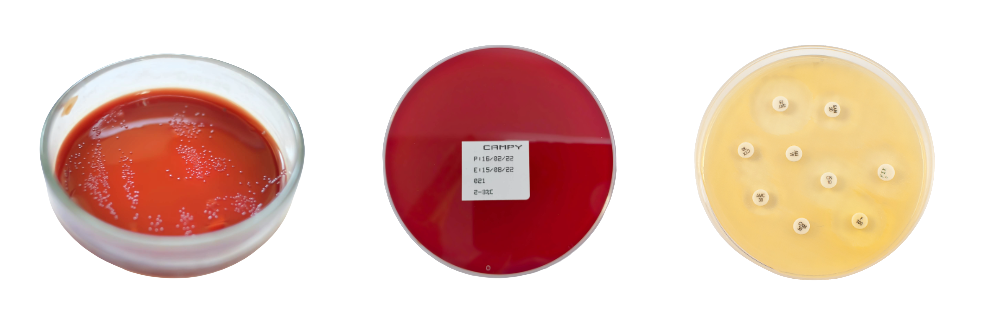
In a study conducted by two prestigious universities in the country, 265 chicken samples were collected from 15 wet markets and 15 supermarkets. These samples were tested for Campylobacter, yielding alarming results; “Two hundred and seven (78.1%) Campylobacter spp. isolates were obtained. Campylobacter jejuni and Campylobacter coli were detected in 170 (64.2%) and 32 (12.1%) of the samples, respectively. Liver and skin samples showed the greatest levels of contamination.”
Tools and Solutions for Effective Campylobacter Detection
That is why, to help detect these cases of Campylobacter infection, food safety efforts have been stepped up nationwide in recent years. We at Asiagel are doing our part in this effort by making all the necessary testing products available to laboratories across the country at an affordable price thanks to our alliance with Condalab.
- Enrichment medias:
- Bolton Selective Enrichment Broth Base ISO + Supplement
- Campylobacter Preston Broth Base ISO
- Isolation Agars:
- Campylobacter Agar Base Blood Free (CCDA) ISO
- Campylobacter Agar Base (Preston)
- Wide range of Non-Selective Agars for example:
- Columbia Agar
- qPCR kits
- Extraction kits
- Specific Campylobacter detection kits
Surveillance and early detection of Campylobacter are key to reducing the risk of infection and protecting public health. For more information on prevention strategies, diagnostic methods, or collaboration on food safety programs, please feel free to contact us.